FTC World Championship qualifier. World #6 rower. Self-taught builder who ships things for real users.
I'm George Hu (胡敬知) — a Grade 8 student at SMIC Private School, Shanghai. I like understanding how things work, then making them work better. That impulse has taken me from writing autonomous routines for a robot headed to the 2026 World Championship, to pulling an oar at dawn on the Huangpu, to shipping software projects nobody asked me to build.
The thread that connects all of it is the same: figure out the system, put in the reps, and build something real. Whether the system is a PID loop, a rowing stroke, or an argument in a debate round, the process never changes — and that's what I love about it.
Three commitments, one habit: show up, do the hard part first, and don't stop until the thing actually works.
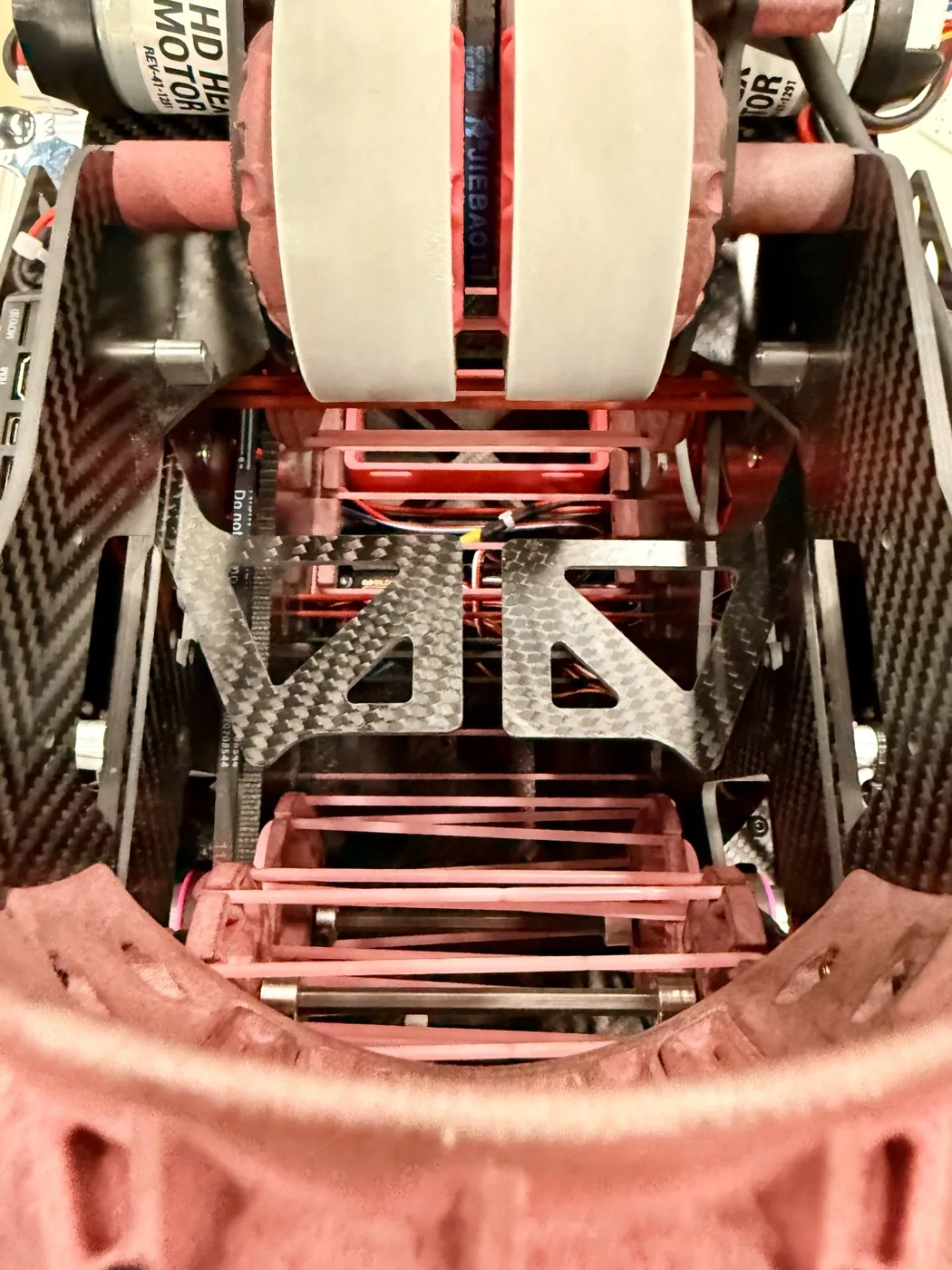
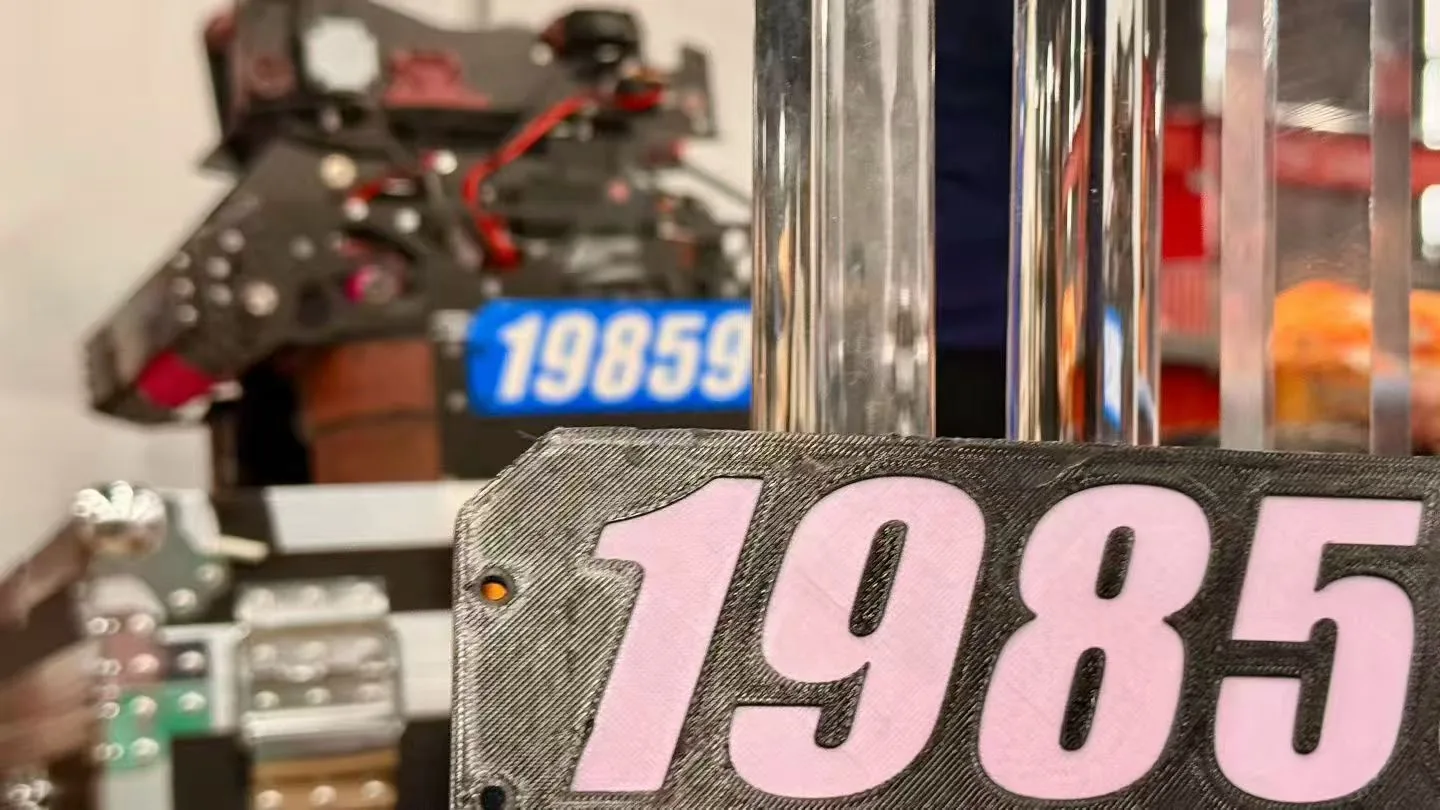
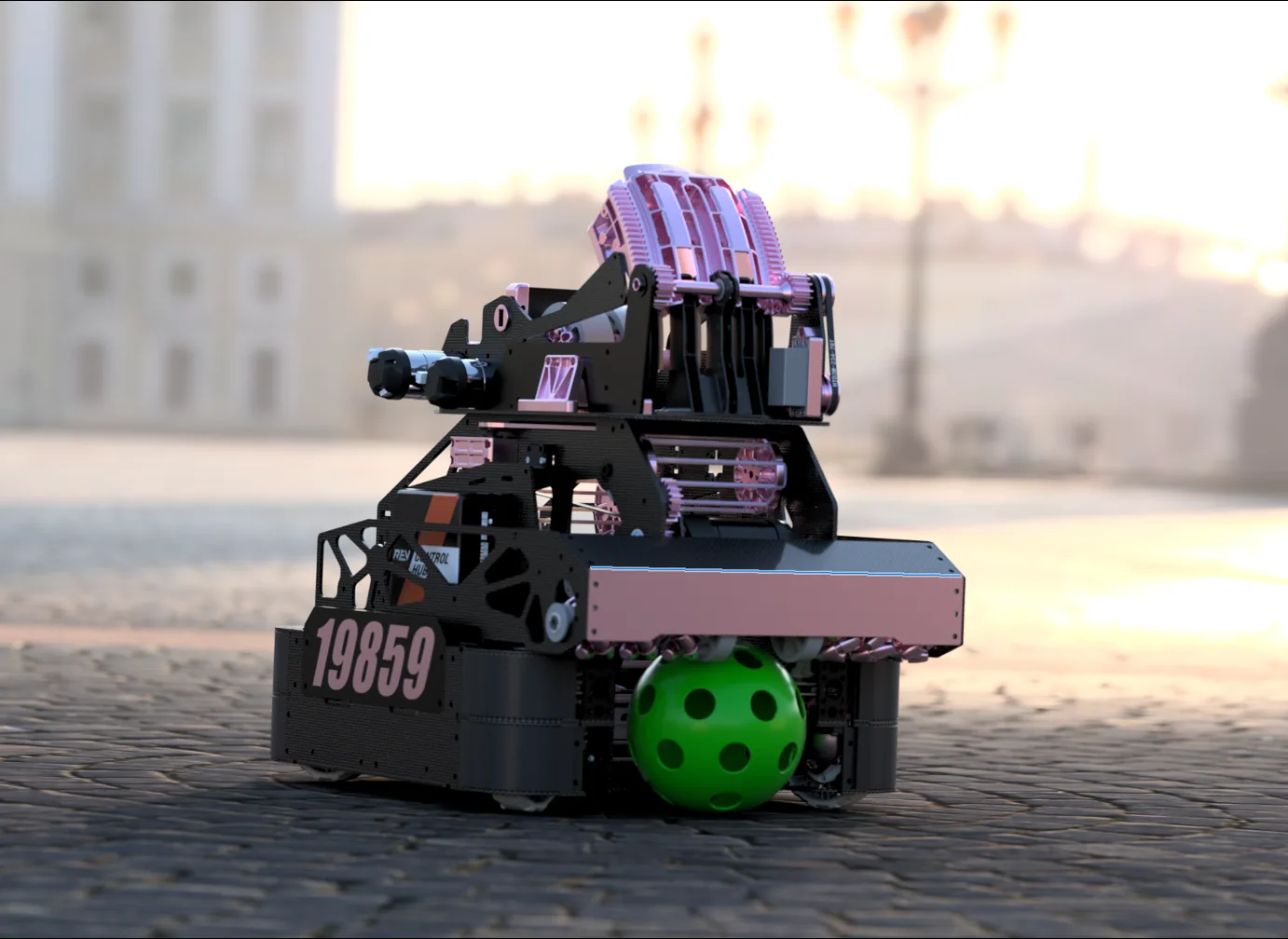
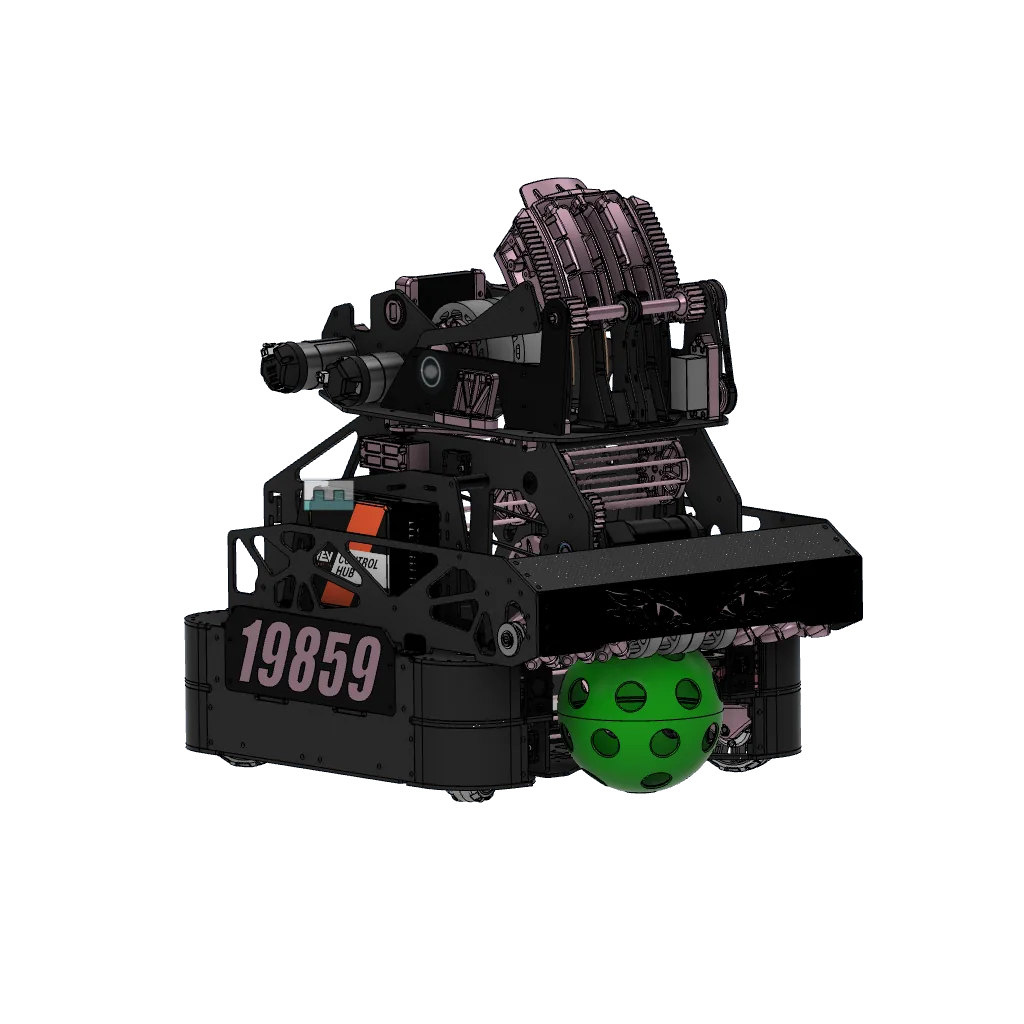
Control systems lead, Team IK19859 — four FTC seasons. Every line of Java I write decides the robot's movement in a 30-second autonomous with no human on the controller. First Chinese team to reach Champion Alliance at California Invitational 2025. World Championship, Turkey, 2026.
ScoutSelect, our alliance selection tool, has been adopted by teams beyond IK19859 — other FTC competitors have used it at tournaments in China. Writing code that teammates and other teams rely on during the pressure of competition changed how I think about software quality: it has to work when you're not there to fix it.
At China Nationals our autonomous routine failed in the first qualifying match — a sensor calibration drift we hadn't caught in practice. We had 8 minutes between matches to diagnose and patch it. We recovered, but the lesson held: test in conditions as close to competition as possible, not just in the workshop.
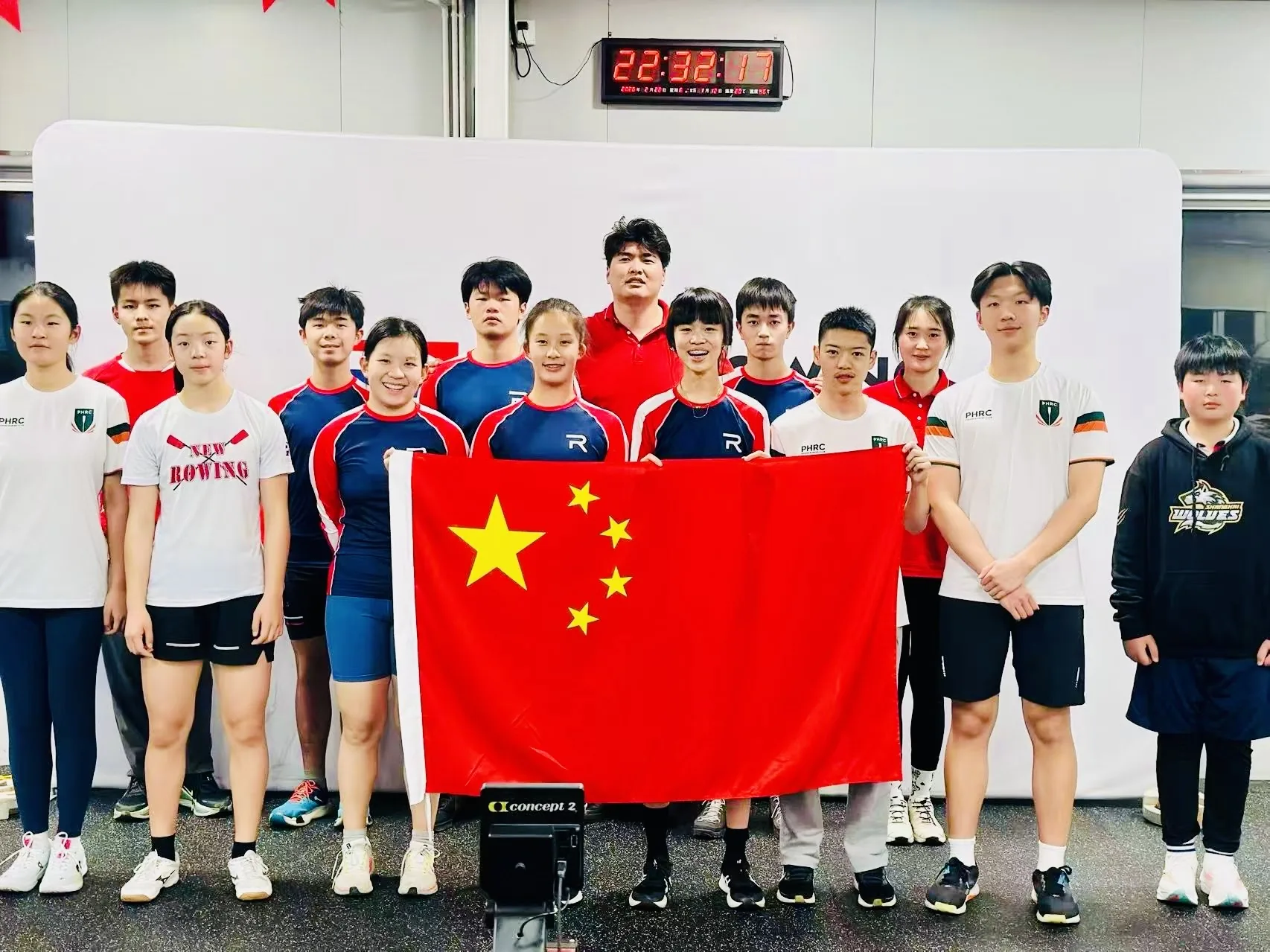
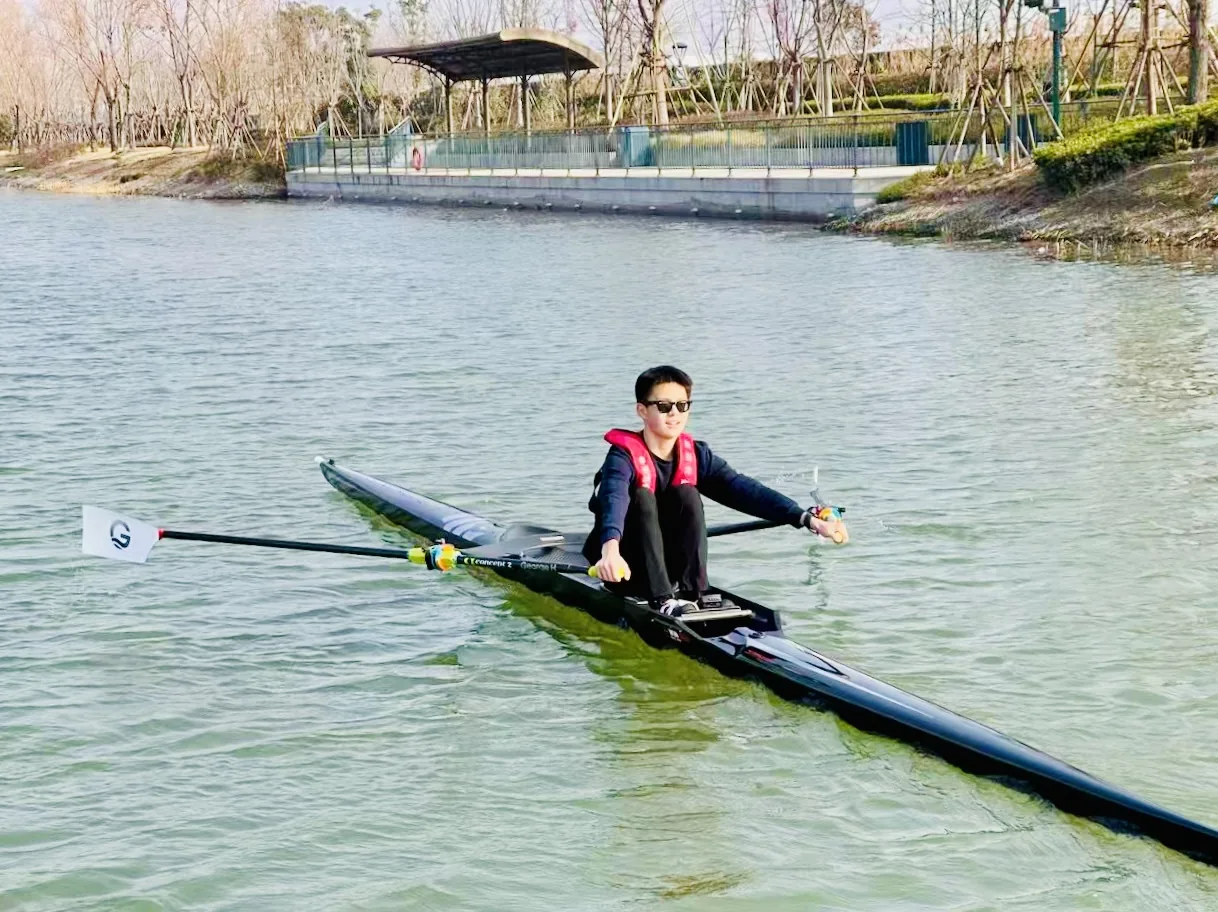
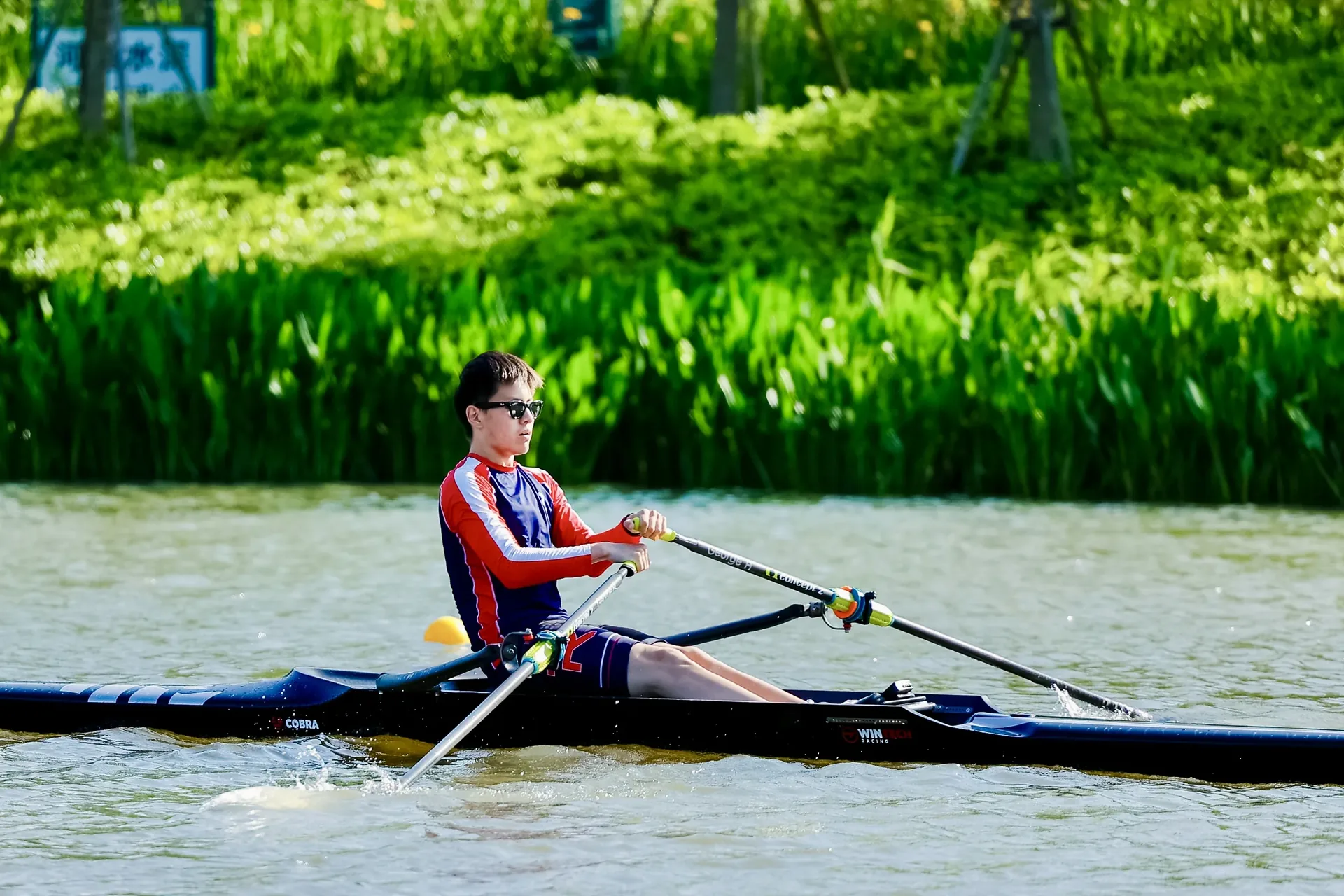
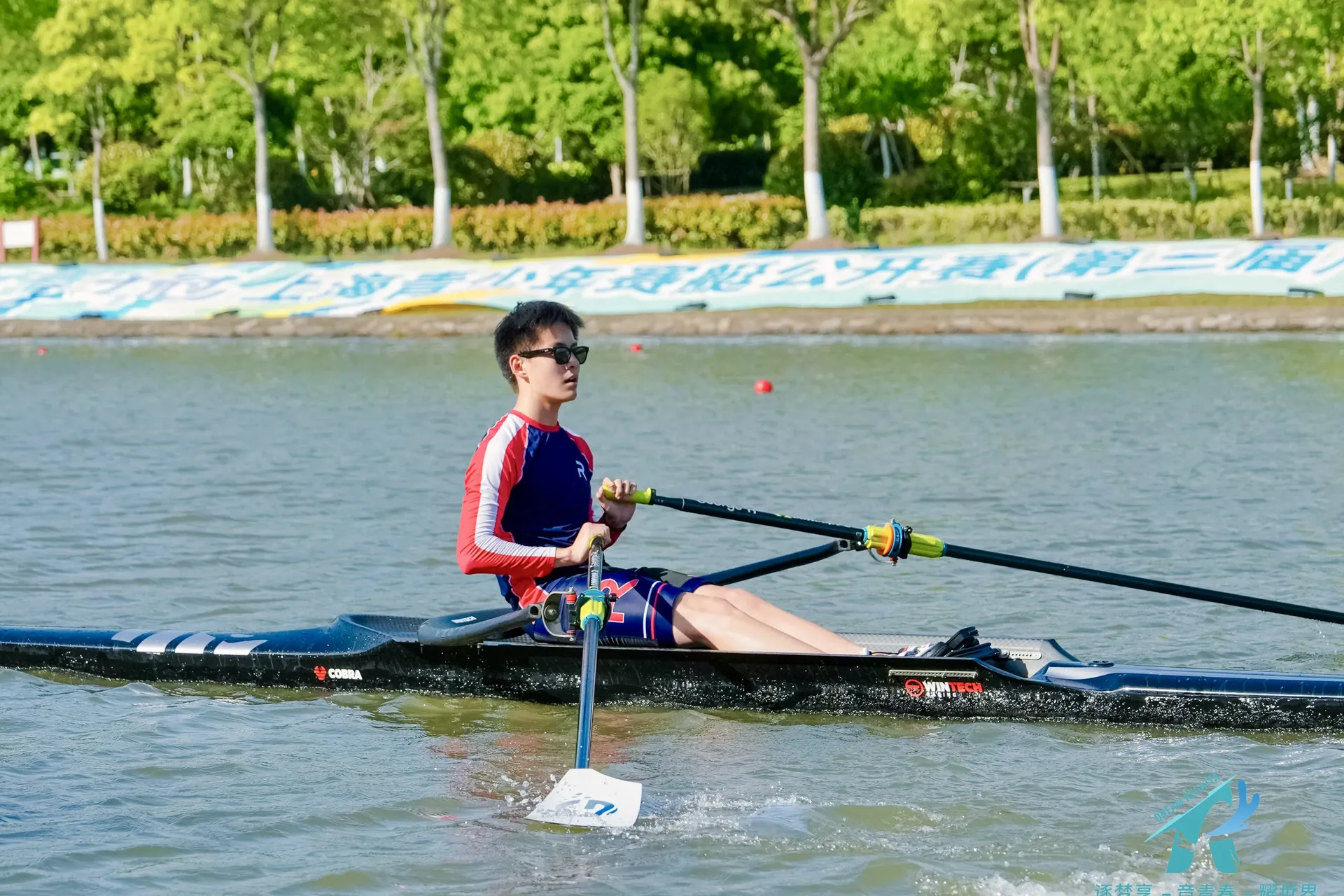
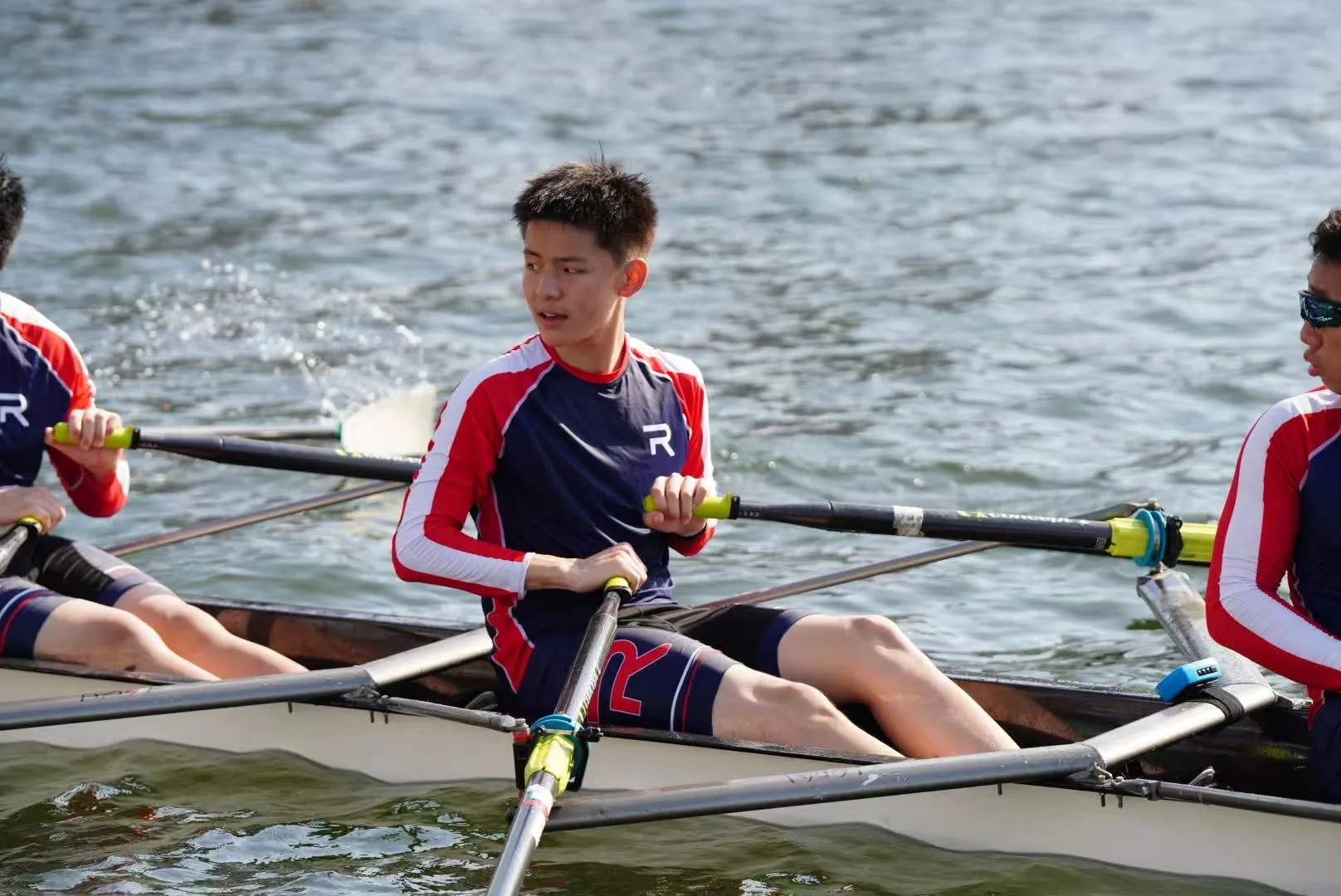
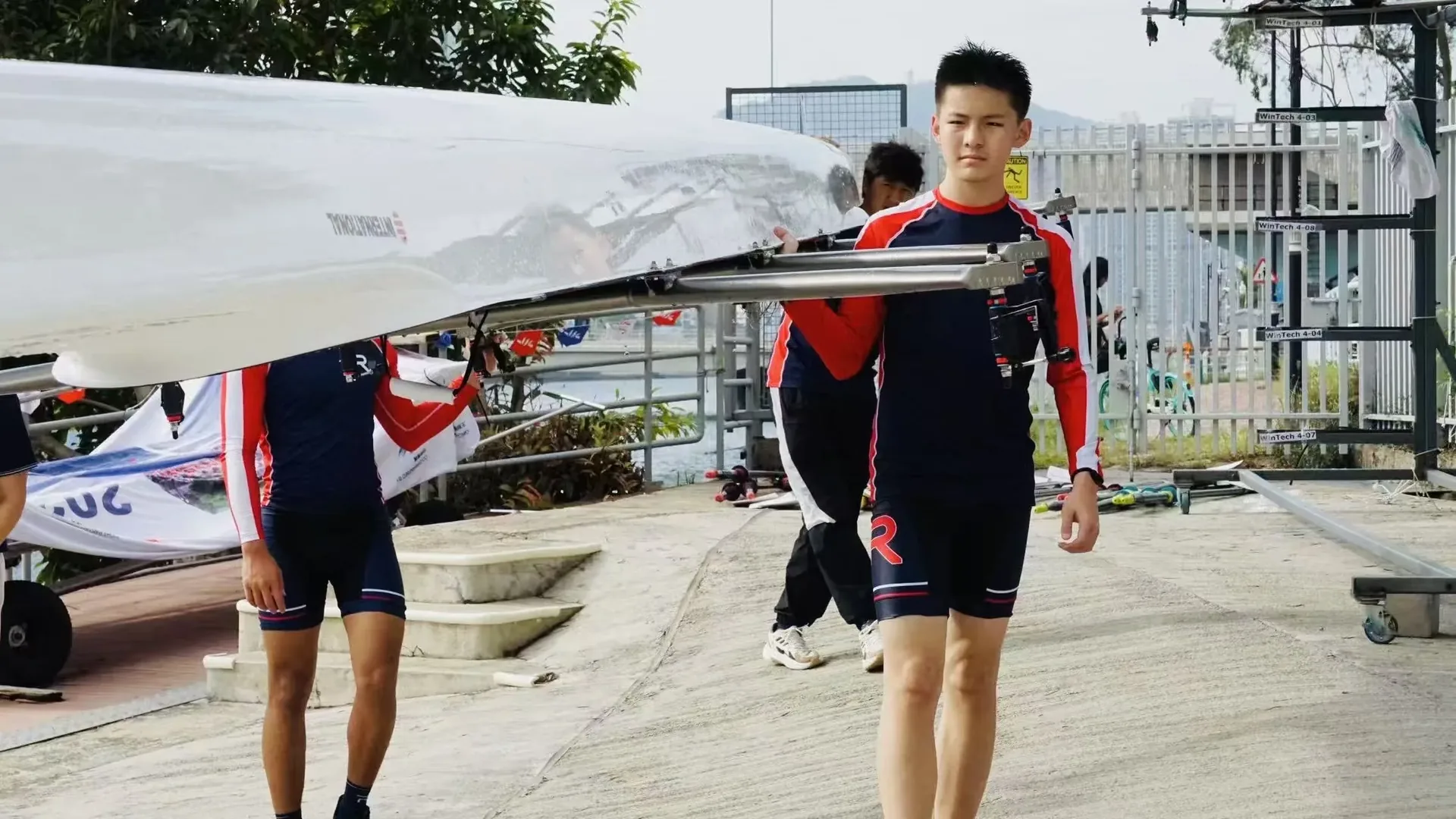
5:30 AM, fog on the water. Three years, every season including winter. Sweep and sculling both. I film every practice, track every split, help set race strategy. World #6 at WRICH 2026. Nanjing 2026: Gold & Silver.
Fifteen minutes of prep. Then you stand, half a case ready, room waiting for you to fail. BP taught me to find the weak joint in an argument while building my own — under a timer, in front of judges who know the topic better. CISDAC Team Champion. Yale Global Rounds.
A track record built across robotics, competitive sport, debate, and the classroom.
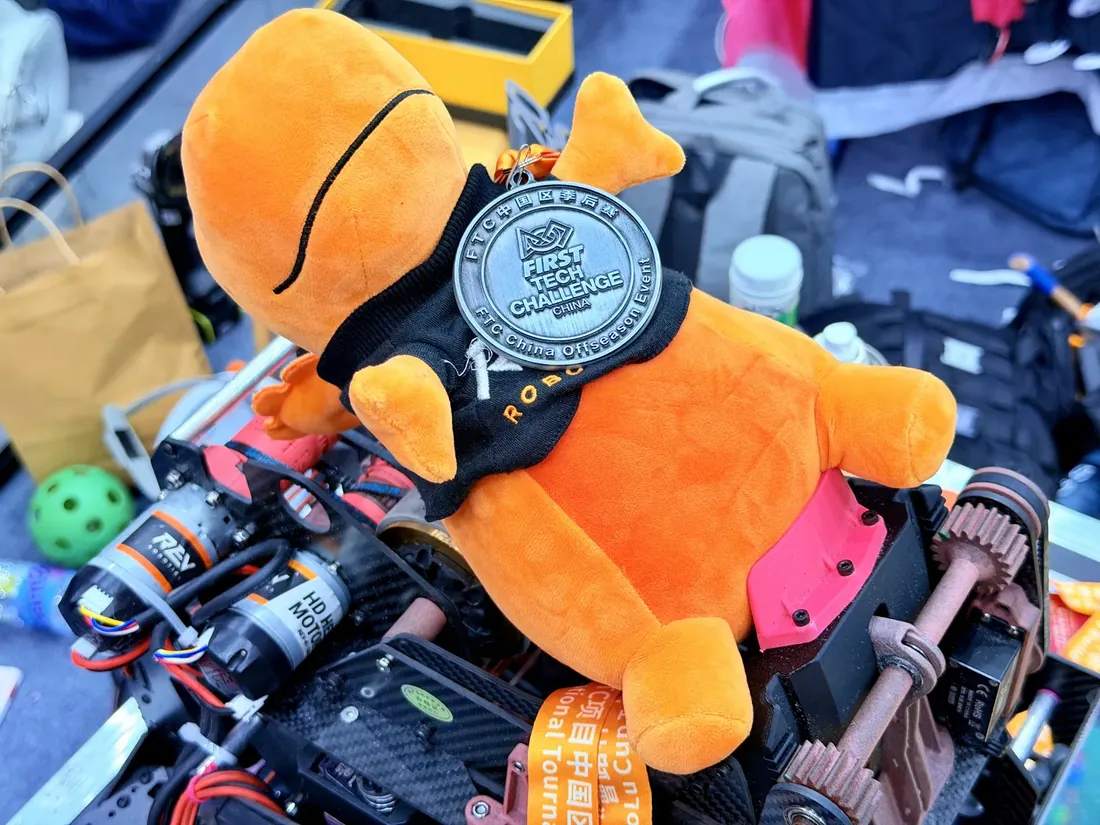
Built autonomous control systems in Java using PID tuning and sensor fusion. Won Control Award (California Invitational 2025), Think Award (Beijing Qualifier), Innovate Award (Lobster Cup International). China Nationals Finalist Alliance Runner-up. Qualified for 2026 World Championship in Turkey.
Training 6–8 hours per week. Nanjing 2026: Gold in Mixed Eight Sweep & Silver in Quad Sculls. SSSA 2026: U16 Male Relay Champion. WRICH 2026: World #6 in U19 Mixed 5000m Relay, World #29 in U17 Men 1000m. HKRIC 2026: #8 in U14–16 Men 1000m.
CISDAC Open Division Team Champion. World Scholar's Cup — Gold medals in Team Debate, Collaborative Writing & Scholar's Challenge. Qualified for Yale Global Rounds. SIDO competitor 2024, 2025 & 2026. GDC 2026. 10+ hrs/week of BP format training.
Authored original research paper on adaptive cross-layer inference control for local LLM workloads. Built Python simulator, 9-seed statistical pipeline, and paired hypothesis tests. Key result: +14.43% task-success-per-joule on chat workloads vs. static baseline (Cohen's d = 7.49, p = 0.005). Hosted at GitHub · N0v4ont0p.
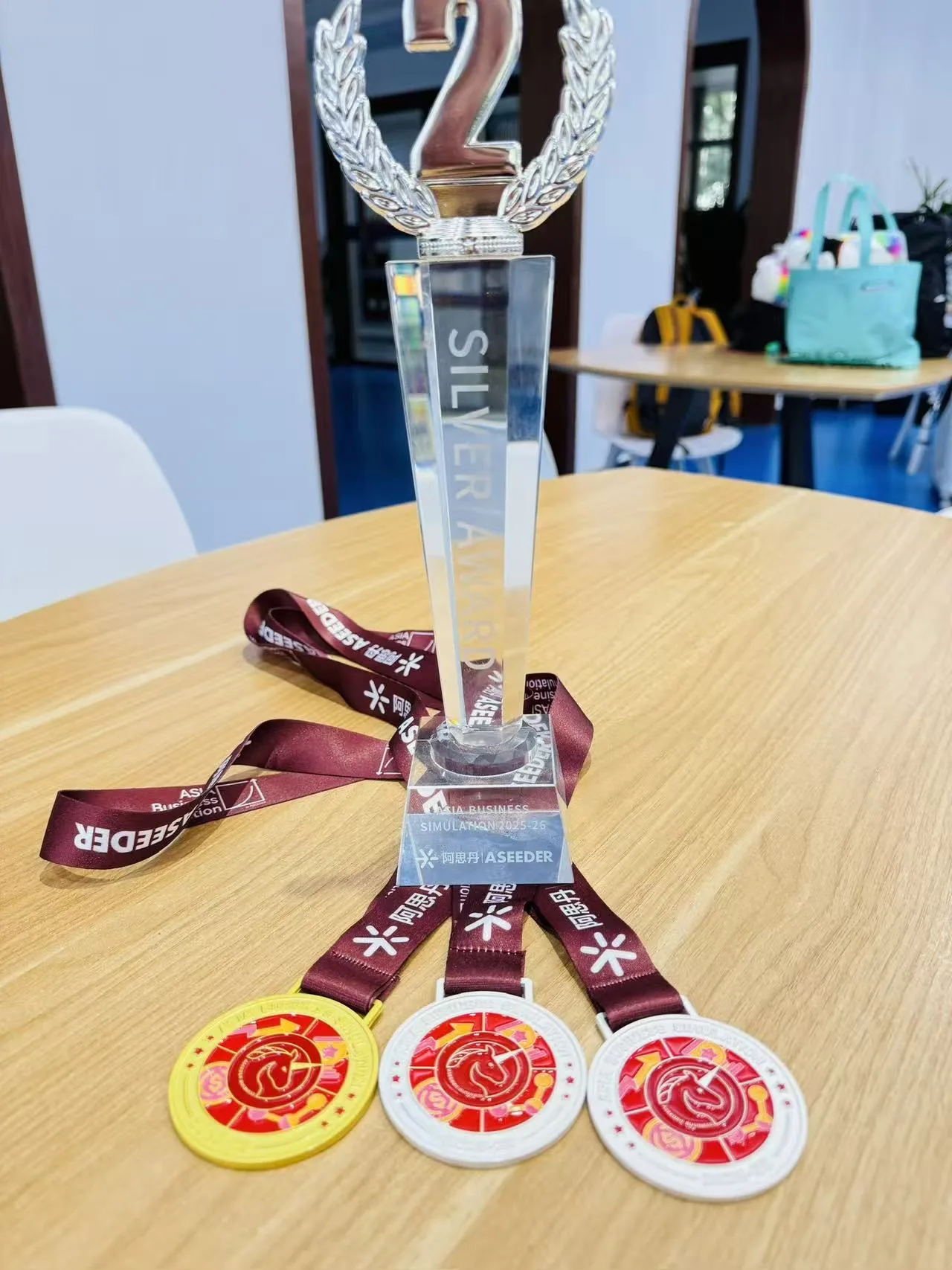
Team Silver (2nd place) & Best Individual Presenter. Qualified for World Youth Economic Forum, Harvard Business Challenge, and ASDAN Financial Intelligence All-Star Forum.
Started systematic science exploration at age 4. World Odyssey of the Mind — International Gold Medal (2019). ICW International Silver Medal (2020). Cross-disciplinary competition background that established a foundation for engineering and robotics.
School Captain (Primary School). Class Academic Monitor. Red Star Award recipient. English Week Chair & Emcee. Pudong District Children's Congress Delegate. MAP Growth: Reading 95th %ile, Language Usage 98–99th %ile.
BP debate is the only activity I've found where being wrong in front of an audience is the mechanism, not a side effect. The round doesn't end when you run out of arguments — it ends on a timer. You have to keep building even when you've spotted the hole in your own case. I've started applying this to debugging: don't stop the run just because something looks wrong. Finish the iteration.
Three years of rowing has produced one non-obvious lesson: the hardest part isn't the training session — it's the decision at 5:30 in the dark, before you're fully awake, to not negotiate with yourself. Once you're out the door the body figures it out. The skill being practiced is not endurance; it's pre-commitment. I think about that every time I'm tempted to skip a difficult debugging session.
For JouleRoute I had a hypothesis but no dataset. The honest path was to build the environment that would generate the data — a Python simulator with controlled variables and real statistical tests. It took longer than just writing the idea down. But the result is that I actually know whether it works, instead of having an interesting argument about whether it should. Building the test before the claim changes how confident you need to be before you start.
The same tools and habits that go into robotics and rowing also apply to classrooms and communities.
In FTC, the highest standard isn't just winning — it's winning while helping others get better. I've shared autonomous code strategies with competing teams, run split-tracking systems for rowing teammates, and used debate's HOLA method to teach argument structure to students in lower years. Excellence means less if it stops with you.
Elected delegate to the Pudong District Children's Congress — Shanghai's youth civic forum. Represented SMIC students in cross-school policy discussions on education and community. The experience shaped how I think about systems beyond code: policies are a kind of infrastructure too, and the people they affect deserve to be heard.
Whether you're a school, a team, a collaborator, or just want to say hello — I'd love to hear from you.
I'll read it and get back to you soon.